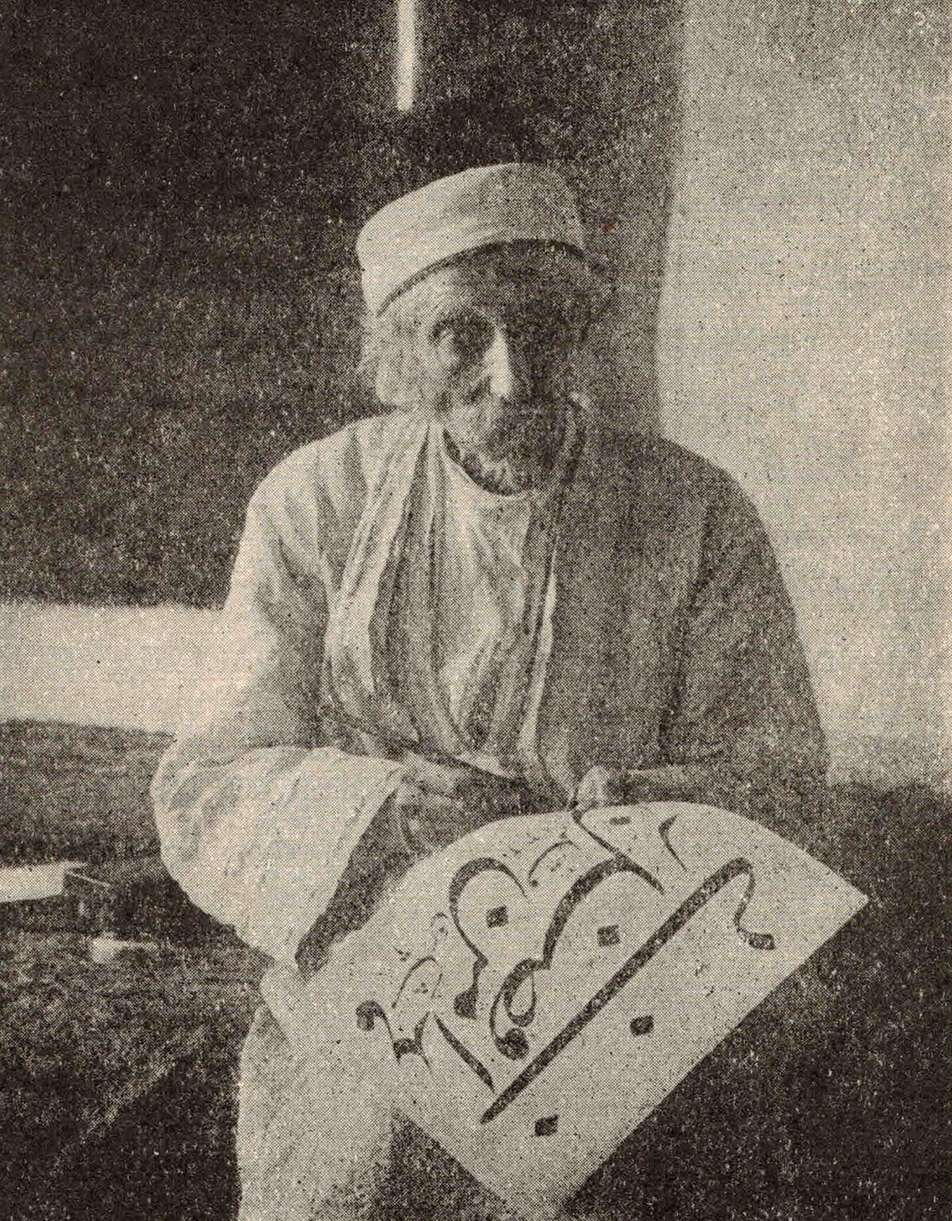
Mishkín-Qalam 19th-Century Persian Master Artist & Calligrapher
Who Was Mishkín-Qalam?
Born as Mírzá Ḥusayn-i-Isfahání (1824-1912), he was later given the title “Mishkín-Qalam”, meaning “The Musk-scented Jet-Black Pen,” in recognition of his extraordinary calligraphic talent.
He became one of the most celebrated Persian calligraphers of the nineteenth century, renowned for his mastery of traditional calligraphy and the rare art of nail-script, a highly specialised technique in which intricate designs and elegant inscriptions were embossed onto specially prepared paper using only a fingernail. His remarkable skill, artistic innovation and unwavering pursuit of excellence earned him recognition as one of the greatest calligraphic artists of his era, with works that continue to be admired by historians, collectors, museums and art enthusiasts around the world.
Beyond his achievements as a master calligrapher, he was an accomplished astronomer, a respected Sufi and a visionary artist whose life reflected a deep commitment to knowledge, creativity and the enduring ideals of peace, justice and the unity of humankind. Throughout years of hardship and exile, he remained devoted to his principles, producing works of exceptional beauty that transcended cultural, linguistic and religious boundaries. His art became not only a means of creative expression but also a powerful symbol of resilience, hope and the enduring capacity of beauty to inspire.
Explore the complete biography of Mishkin-Qalam, from his early years and artistic beginnings to his rise as a celebrated Persian calligrapher, his travels, exile, and the lasting legacy of one of history’s most remarkable artists.
A Life Across Three Continents

Where it began
1824 · Born in Shiraz
Born Mírzá Ḥusayn-i-Isfahání in Shiraz, Fars province, Persia.
A gift discovered
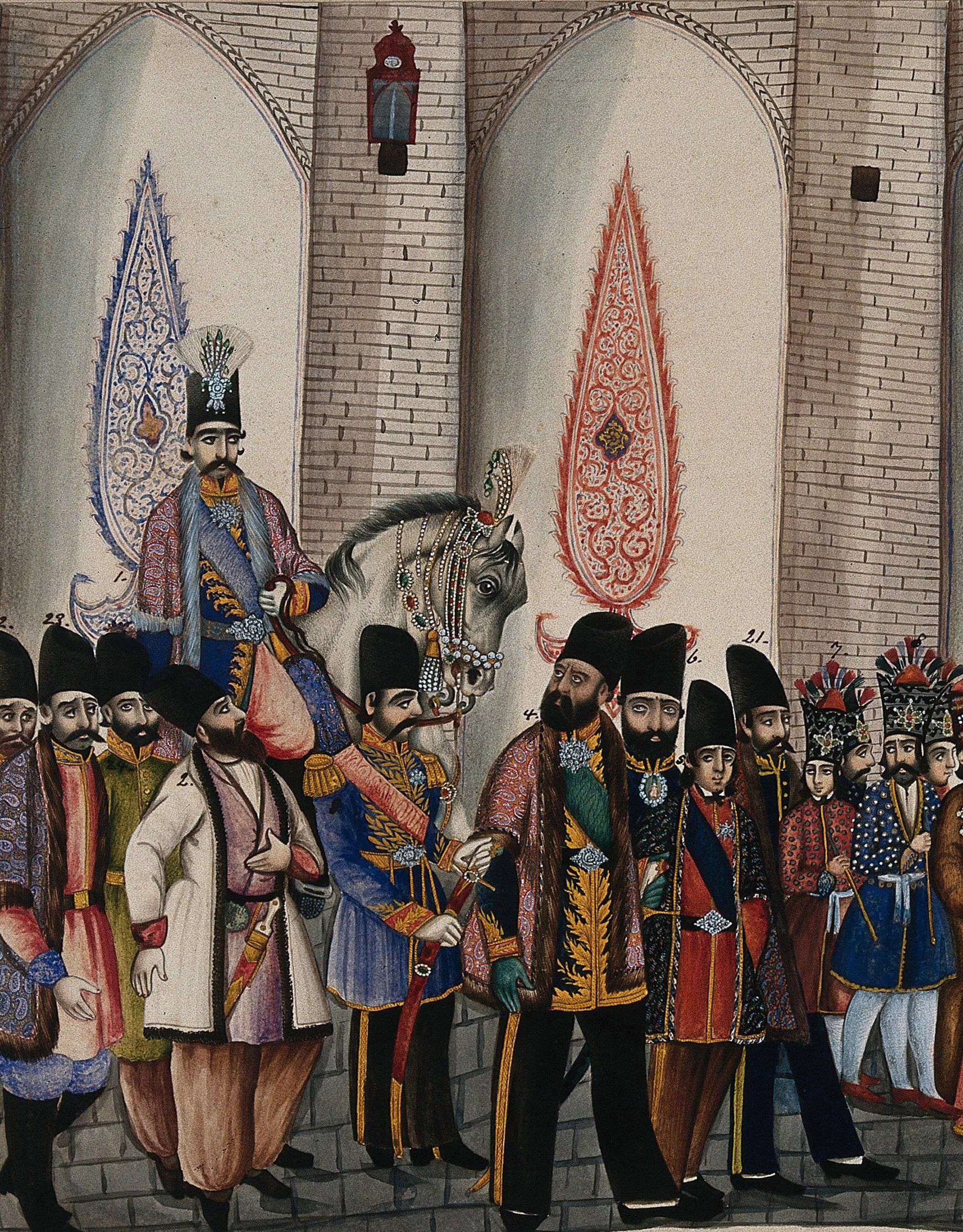
1850 · The Royal Court
Appointed tutor to the Crown Prince, his art celebrated across the empire.
Faith and exile
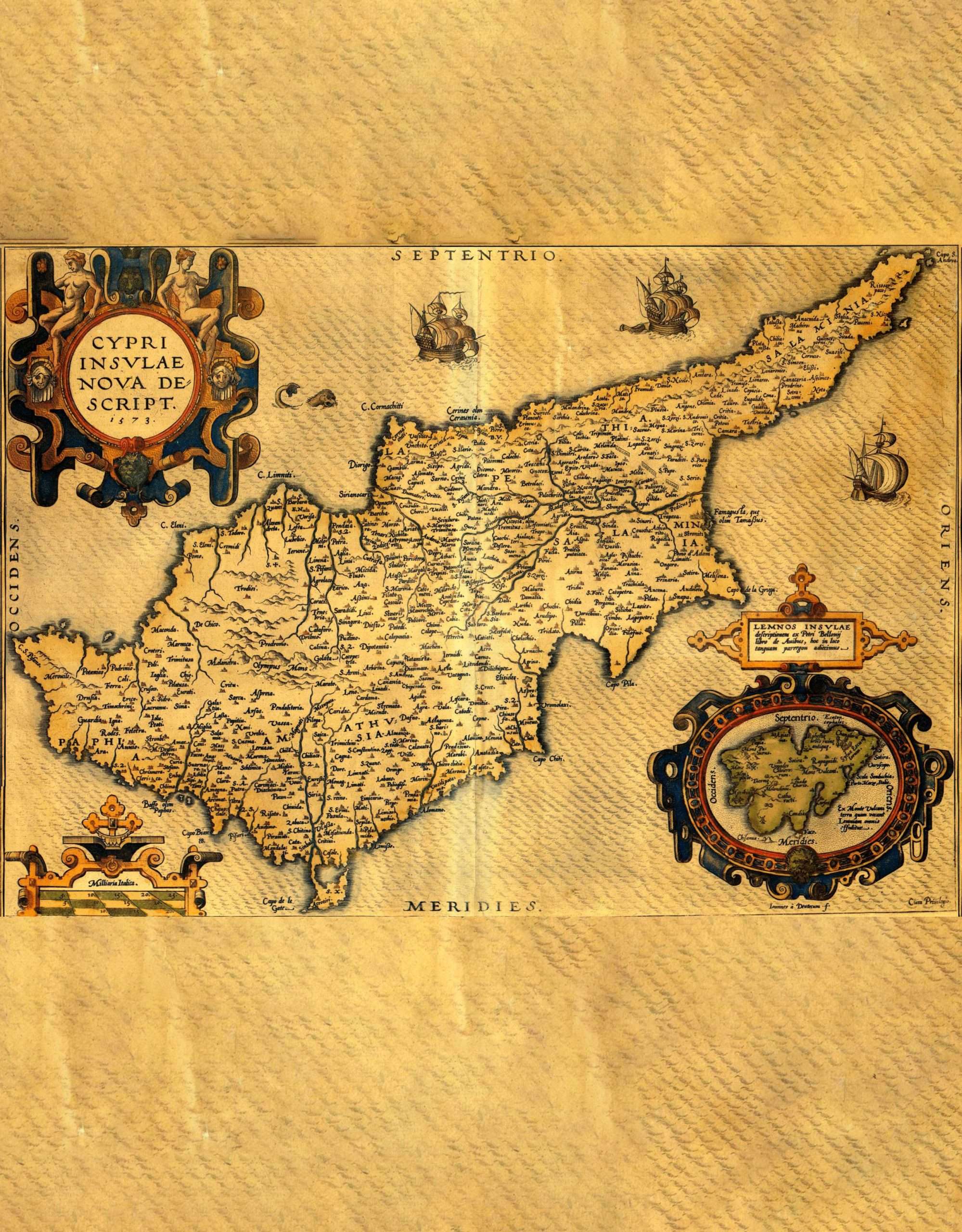
1868 · Exiled to Cyprus
Imprisoned for his beliefs, he continued to create through decades of exile.

The final chapter
1886 · Arrival in Akka
Reunited with Bahá'u'lláh, he worked on until his passing in 1912.
Follow every year from 1824 to 1912 in his full life timeline
Selected Calligraphic Works
A few of his best-known pieces are shown below. Full provenance, dimensions, and locations for each work live on the Calligraphic Works page.
The Greatest Name
Arabic calligraphic rendering of “Yá Baháʼu’l-Abhá” (يا بهاء الأبهى usually translated as “O Thou the Glory of the Most Glorious!”).
Source: Society for Persian Letters & Arts, Landegg Academy, Switzerland (1992). Mishkín-Qalam: XIX Century Artist & Calligrapher. Darmstadt, Germany: Reyhani. ISBN 3906714012
Location: International Archives Building, Haifa.
Size: 20×30 cm
Twin Peacocks and Cypress Tree
Source: Society for Persian Letters & Arts, Landegg Academy, Switzerland (1992). Mishkín-Qalam: XIX Century Artist & Calligrapher. Darmstadt, Germany: Reyhani. ISBN 3906714012
Location: Mansion of Bahji, Akka.
Size: 59×86 cm
Invocation to the Creator
Arabic calligraphic rendering of “Bismilláh al Áali al A’li al A-alál Abhá” (بسم الله العالی العلی الاعلی الابهی translating to “In the name of God, the most High, the Most High, the Most Sublime!”).
Source: Society for Persian Letters & Arts, Landegg Academy, Switzerland (1992). Mishkín-Qalam: XIX Century Artist & Calligrapher. Darmstadt, Germany: Reyhani. ISBN 3906714012
Location: Bahá’í World Center, Haifa.
Size:41×26 cm
The Award-Winning
"Mishkín-Qalam"
Documentary Film
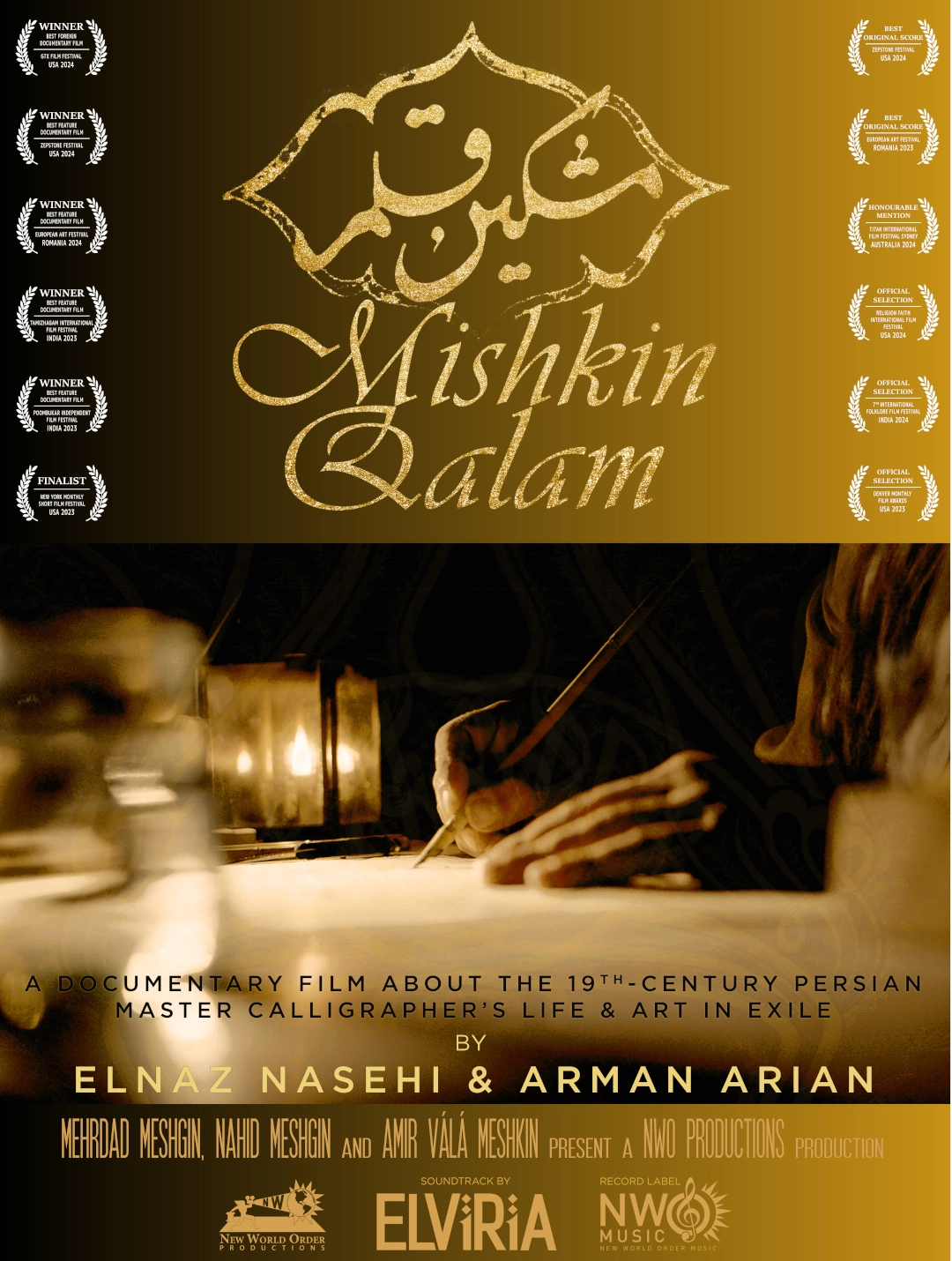
Mishkín-Qalam is an award-winning documentary exploring the life and art of the celebrated Persian calligrapher. In addition to winning Best Documentary at multiple international film festivals, the project’s original soundtrack has also achieved award-winning success, with its score, original songs, and music videos each taking first place in international competitions. Visit the official documentary page.