மிஷ்கின் கலாம் வாழ்க்கை வரலாறு
Master calligrapher, poet, astronomer, and mystic of 19th-century Persia, and creator of the calligraphic design of the Greatest Name used by Bahá’ís worldwide.
Mishkín-Qalam (1824–1912), a title meaning “The Musk-scented Jet-Black Pen,” was one of the foremost calligraphers of 19th-century Persia. Born Mírzá Ḥusayn-i-Isfahání, he rose from a chance encounter in a Tehran bazaar to a post at the royal court, then gave up that comfortable life for his beliefs in unity of humankind. His devotion cost him arrest, nine years of imprisonment in Cyprus, and a lifetime of exile, yet he never stopped creating. His rendering of the Greatest Name is still used by Bahá’ís around the world, and his work hangs today in collections including the Harvard Art Museums.

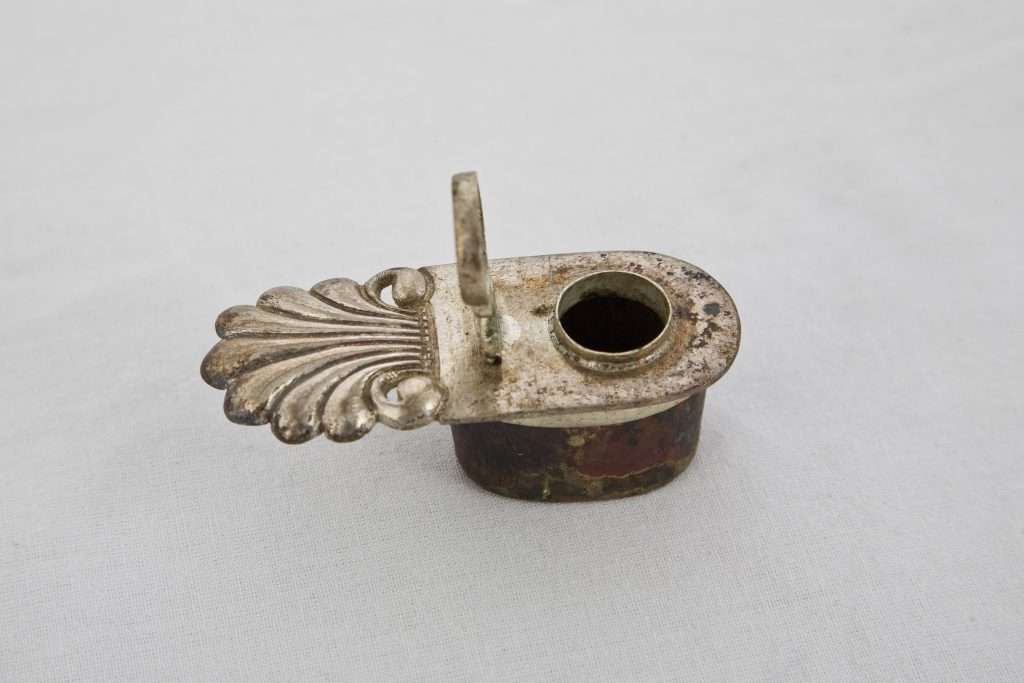
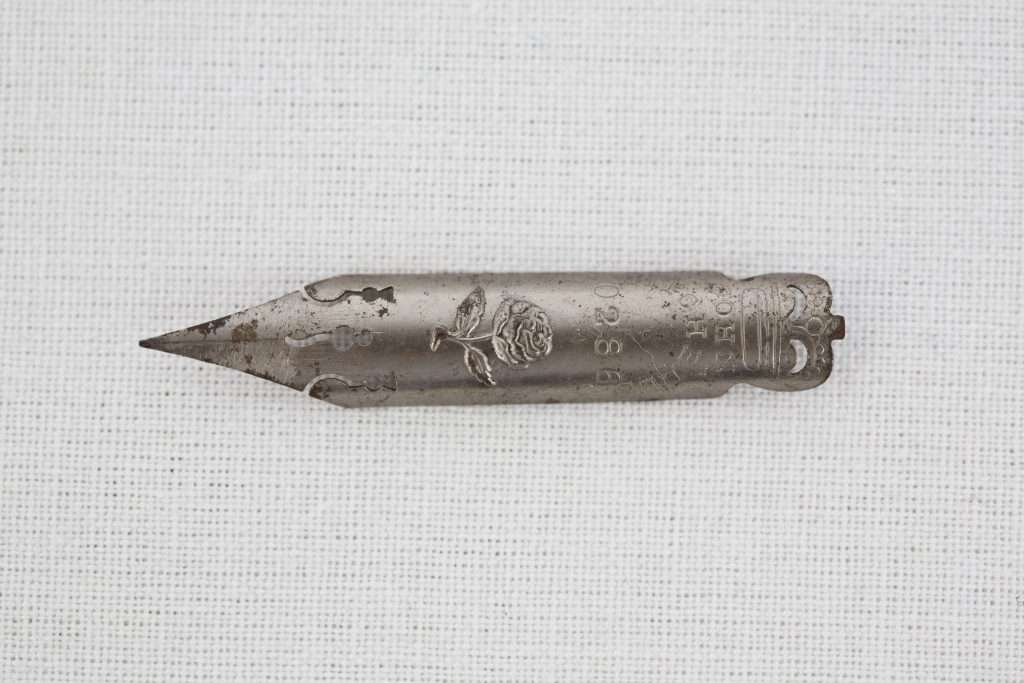
முதலமைச்சர், மிஷ்கின்-கலத்தின் அற்புதமாக வரையப்பட்ட கலைக்களால் மிகவும் ஈர்க்கப்பட்டு, அவரை பாரசீக மன்னரான நாசர் அல்-தீன் ஷாவிடம் அறிமுகப்படுத்தினார். மன்னர் அவருக்கு "மிஷ்கின்-கலம்" என்ற பட்டத்தை வழங்கி, பட்டத்து இளவரசரின் ஆசிரியராக நியமித்தார். சிறிது காலம் பாரசீக அரசவைக்குச் சேவை செய்து, மற்றொரு நகரத்தில் உள்ள தனது குடும்பத்தைச் சந்திக்க அரச கடமைகளிலிருந்து விடுப்பு எடுத்துக்கொண்ட மிஷ்கின்-கலாம், ஒரு பயணியைச் சந்தித்தார். அந்தப் பயணி, பஹாவுல்லா எனப்படும் ஒரு பெரிய ஆன்மீக ஜோதி தோன்றவிருப்பதைப் பற்றியும், அவருடைய போதனைகள் அனைத்து மனிதகுலத்தின் ஒற்றுமையை மையமாகக் கொண்டவை என்பதையும் அவருடன் பகிர்ந்து கொண்டார். மிஷ்கின்-கலாம் உடனடியாக இந்தச் செய்தியை ஏற்றுக்கொண்டார்.
தனது பஹாய் நம்பிக்கைகள் காரணமாக உஸ்மானியப் பேரரசில் சுமார் அரை நூற்றாண்டு கால கைதியாக இருந்தபோதிலும், அவர் மூன்று வெவ்வேறு கண்டங்களில் வாழ்ந்து, மிகச்சிறந்த அழகின் படைப்புகளை உருவாக்கினார். அவற்றின் எடுத்துக்காட்டுகளை இப்போது ஹார்வர்ட் கலை அருங்காட்சியகங்கள், பிரிட்டிஷ் அருங்காட்சியகம் மற்றும் இஸ்ரேலின் ஹைஃபாவில் உள்ள பஹாய் உலக மையத்தில் காணலாம். மிஷ்கின்-கலாம் பல்வேறு வடிவங்களில் உருவாக்கிய, மிகவும் அடையாளம் காணக்கூடிய படங்களில் ஒன்று, அரபு அழகியல் எழுத்துக்களால் பொறிக்கப்பட்ட ஒரு கோழியின் படமாகும், இது அமைதி மற்றும் உலகளாவிய சகோதரத்துவத்தின் ஒரு புதிய சகாப்தத்தின் விடியலைக் குறிக்கிறது.
Who Was Mishkín-Qalam?
Mishkín-Qalam was the leading calligrapher of Persia in his day, celebrated across the Persian world and beyond for a hand of extraordinary beauty and range. ʻAbdu’l-Bahá described him as a second Mír ʻImád, comparing him to the most famous Persian calligrapher of the Safavid age. He was also a poet, a skilled astronomer, and a noted mystic, and before becoming a Bahá’í he belonged to the Niʻmatu’lláhí Sufi order. He is best remembered for figural calligraphy, in which sacred phrases are shaped into living forms, most famously a rooster composed of Arabic letters that symbolises the dawn of a new day. His design of the invocation “Yá Baháʼu’l-Abhá“ became the calligraphic form of the Greatest Name recognised by Bahá’ís everywhere.